Best VPN Routers in Australia

A good Wi-Fi router provides excellent connectivity features and reliable internet capabilities over a range of devices, according to your preference. But, what is even better is a combination of a router and Virtual Private Networks. VPN services offer top-notch browsing security, and some industry-leading brands like Nord VPN and Express VPN serve millions of customers all over Australia and the world. VPN routers are routers that are compatible with VPN protocols. Additionally, you can install different VPN software onto them.

If you are a browsing enthusiast, you probably use a VPN on your computer or your browser. The advantage with a VPN router is that it provides VPN features to all devices that connect to its network. A VPN router facilitates seamless browsing while ensuring a virtual lockdown to your home network; thus, preventing spyware, hackers, and third party services from collecting your browsing data and your personal information.

VPN routers provide a robust, consistent, and more secure browsing experience compared to ordinary WI-FI routers. There are numerous VPN routers available in Australia. Unfortunately, some of them do not perform according to expectations. The best VPN routers cater to their primary purpose of ultimate security. Consequently, they provide various other usability features that will eliminate any hurdles in your browsing experience. Some top-rated WI-FI routers that you can consider are;
1.) Sabai Technology VPN Routers: VPN routers from Sabai technology are designed with a user-friendly interface and all the features that you need in a VPN. They base their operating system on Tomato firmware, and their OS offers a range of features with regular updates. One development that you will enjoy with the Sabai OS is its gateway feature. This feature allows you to selectively route all the devices that connect to your WI-FI network. This means that you can determine whether to route the computer in your office room via VPN and route other connections like your children’s Ipads without encryption.

Sabai VPN routers feature a kill switch. A kill switch is a VPN feature that blocks all devices connected to a particular VPN connection in case there are issues with the VPN server or gateway. This feature prevents any IP leakages to ensure that you are always safe from external monitoring. Sabai also features a VPN accelerator that uses a mini PC connected to your router to facilitate encryption. The accelerator ensures that you browse at top speed despite the encryption and decryption modules. Sabai routers are easy to configure, they regularly update their security software, and their customer care support is reliable. You can contact them if you have any questions or issues.
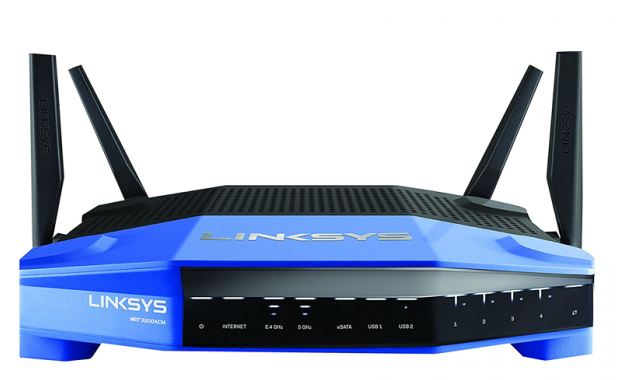
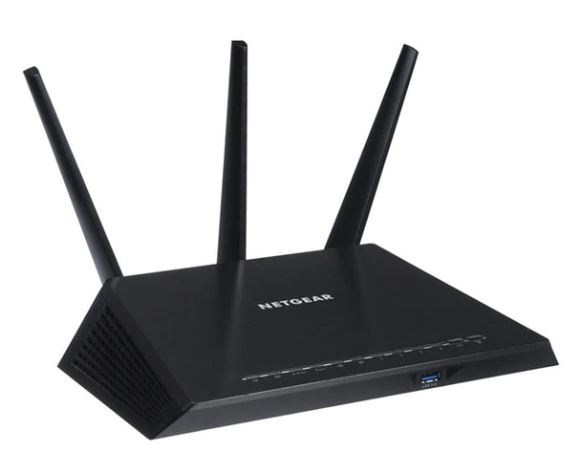
2.) Flash VPN Routers – Flash routers is an American-based company that deals in a unique niche by selling pre-flashed routers with tomato and DD-WRT firmware. They work closely with some of the best VPN services, which means that regardless of the VPN service you choose, they will serve you efficiently. Flash routers also work with leading router manufacturers who have developed more than 15 different types of routers. Some models that you can find are Asus, Netgear, and Linksys, and they allow a variety, from low-end products like Linksys WRT1200, and robust models like ASUS RT-AC5300. Since Flash routers are pre-flashed, it voids the manufacturer’s warranty, but the company replaces this with their warranty. They also provide the Flash router VPN app for free, which is a plus. They have world-class customer care support staff who you can contact in case of any issues.
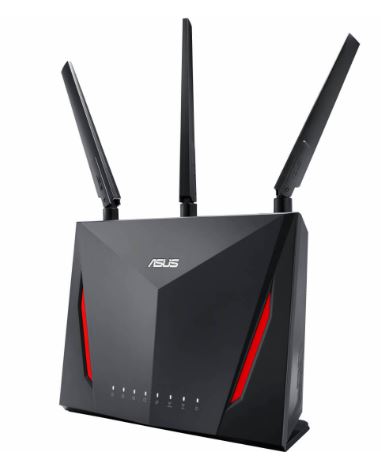
3.) Asus VPN Routers. Asus VPN routers come in a wide range from basic models to more sophisticated, high-end, and expensive models. The latest models from Asus can handle P encryption effectively. Recently, Asus released Asus RT-AC86U, which can operate at speeds above 150Mbps using open VPN. Setting up your VPN on Asus routers is a simple process, and they work with reliable VPN services in Australia like Surf-shark, Cyber Ghost, Nord VPN, and Express VPN. You can read our Nord VPN review, and Express VPN review for information about additional features that these services offer with Asus and other types of routers.

What you should consider when going for the best VPN router

When going for a router that will cater to your needs, first, you should consider its ease of use and how simple it is to install a particular VPN service onto it. Installing a VPN service to some routers is significantly complicated, and this might frustrate you if you do not have professional assistance. Secondly, take note of your router’s bandwidth. By channeling your internet connection through a single VPN output, you will be limiting your internet speed. Thus you should pay close attention to internet speed tests. Apart from the estimations on our VPN reviews, you can personally test VPN speed around your area because the rate may differ according to geographical locations.

Lately, several VPN service providers have started offering routers that are pre-configured with their VPN client services. Nord VPN is one such provider; you can read a review of Nord VPN for information on its features. The advantage with these types of routers is that you get a client-ready set up that is ready to work straight from the box. Nevertheless, you might have to obtain the package at a higher price, and they lack flexibility since you will be forced to depend on one service provider for all your VPN services.

Conclusion

VPN routers offer a one-time solution by connecting a VPN service to every device that you connect to the network. This includes devices that are not compatible with VPN, like game consoles and smart TVs. The type of VPN router that you choose to work with will significantly depend on your purpose for purchasing it, and the coverage that you need from it. For in-depth information about the best VPN services that you can use with your VPN router, feel free to go through our Express VPN review, and our Nord VPN review, and you might find a preferable choice.
Best VPN with Indian Servers – Youtube Premium Discount

Connecting to an Indian VPN is not usually something that we get a lot of requests for….usually that is. Over the last few days, many of our readers have asked for the best VPN with reliable servers in India. Digging a bit deeper it seems like these readers are trying to get Youtube Premium at a massive discount.

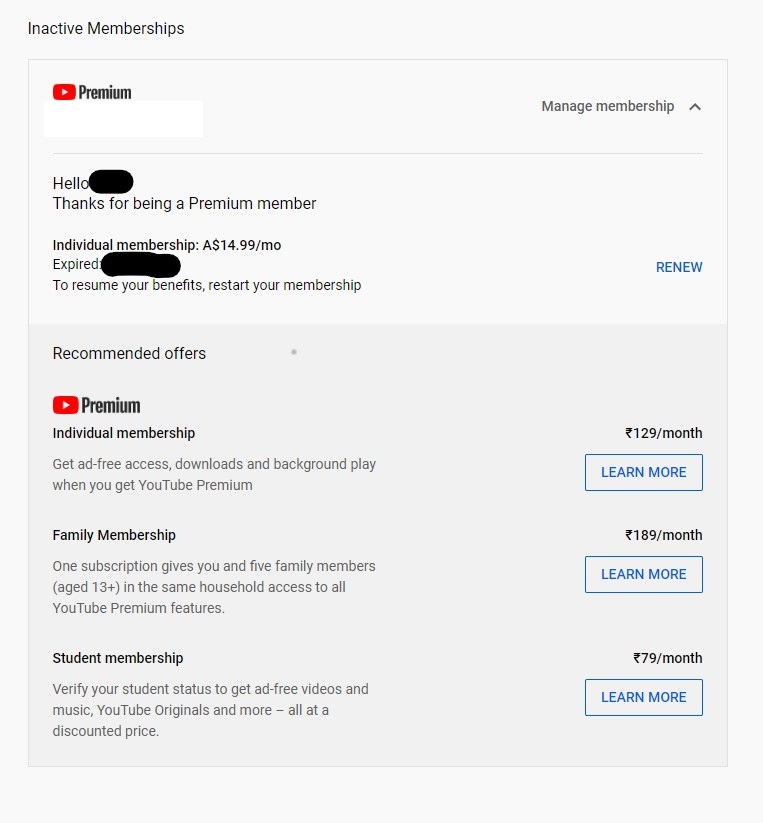
The normal subscription cost in Australia for Youtube Premium is A$14.99/month for a single account or $22.99/month on a family plan (up to 6 users). This is where this Indian Youtube Premium hack comes in. Youtube India’s premium plan is only INR ₹129/Month (~A$2.81/month) for a single plan or INR ₹189/Month (~A$4.12/month) for a family plan.

That is a huge saving and even greater when you consider the cost over a year.

Youtube AustraliaYoutube India*Savings
Single Plan$179.88$33.72$146.16
(saving of 81%)
Family Plan$275.88$49.44$226.44
(saving of 82%)
Savings in subscribing to a Youtube Premium plan in Australia vs Subscribing to a Youtube premium plan in India
*Exchange rate as of 3rd April 2020

The hard part: finding a reliable Indian VPN server

I’ll be honest, the first step in getting this discount is connecting to an Indian VPN server and this was a lot harden than I expected. Here at VPN Authority we do a range of speed tests, day in and day out. However, we rarely do any speed tests on Indian servers. We don’t actually get too many people wanting to connect to Indian servers and therein lies the problem. Quite likely due to the lack of demand, even the big name VPN’s seem to have limited capacity in India.

I’ve detailed my experience with NordVPN below:

NordVPN Indian Servers

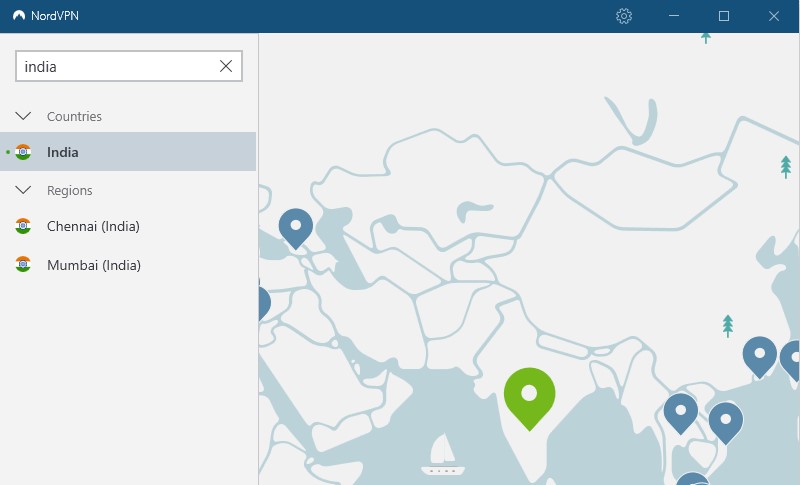
On selecting “India” in the NordVPN desktop app you are presented with 2 options for regions: Chennai (India) or Mumbai (India).

NordVPN desktop app with India selected

I first selected Mumbai as the region and proceeded to connect to a server named India #46, with the VPN connected I proceeded to https://www.youtube.com/paid_memberships . The connection was extremely slow but did eventually load up Youtube, however there was 1 major issue. Youtube had me down as being in AE – Dubai.

Top left of Youtube with the “AE” besides the logo.

I tried this again with a few other servers in Mumbai with the same result and very low speeds. I decided to switch regions to “Chennai” and this is where I finally had some success. With a faster connection and the magic “IN” next to the logo I was ready to sign up.

After this initial hiccup the rest of the process was very smooth. As a previous Youtube Premium member the details of my past subscription showed up along with the INR price to renew.

WARNING: You may be breaching Google’s Terms of Service by signing up via this method. This is purely a guide in respect of finding reliable Indian VPN servers and we do not condone the use for circumventing Youtube local pricing.

Free VPN’s – Can they be trusted?

A VPN (Virtual Private Network) is a network connection that allows you to establish a secure connection to another network over the internet by encrypting your connections. They do this by connecting your device to another server/ computer on the internet, thus allowing you to use its internet connection to browse the web. They are usually used to access websites that are restricted in certain geographical regions and hide your browsing activity over public Wi-Fis.

 Initially, they were used by business networks to securely connect them over the internet and enable connections across different office locations. Currently, most of the existing operating systems have support for integrated VPNs. In a nutshell, VPNs are used to:

  1. Gain some level of anonymity online by masking your actual GPS location.
  2. Protect the user from snooping on untrustworthy Wi-Fi hotspot connections.
  3. Bypass geographic restrictions on websites and streaming content.
  4. Accessing business and home networks while traveling. This is mostly achieved by the use of RDP (Remote Desktop Protocol).
  5. Obtaining access to the entire internet by bypassing censorship of firewalls as it is the case in The Peoples Republic of China.

VPNs are of two types; free VPNs and paid VPNs.

 Providing most, if not all, these service advantages, including managing a global network server, creating customer/ user’s applications, and support can prove to be very costly. For this reason, most operating and running reliable and efficient VPNs are the paid ones. However, as paid VPN services generate their income from user subscription fees, free VPN providers have other means on how somehow to make income from the use of their networks. The most alarming issue about open VPN networks is that some providers maliciously compromise user security and privacy for monetary gain by the use of hidden tools and tricks.

This generally creates the assumption that limited free VPNs are a lot much safer than the other types of free VPNs as they limit data instead of offering a free product, whereas many of the paid networks provide adblockers, malware protection, and unlimited bandwidth for their users at a small fee.

Some free VPNs track and gather the online activity of their users. This data is later availed to online marketing platforms and advertisers to help them make more precise target ads. Whereas some VPNs deny that they share or sell your data, others admit to it in their privacy policies of which most users don’t fully read through.

Most free VPNs such as Betternet and Hotspot Shield’s free app bombard their users with a lot of ads, which can prove to be very annoying as they slow down the internet speed. They use ads as a means of creating a revenue platform for their provides since the services they offer are free.

Some of these Virtual Private Networks slow down the speeds of their free users to encourage them to upgrade to their paid platforms. Other networks like VPN Hola allow their paid users to use the processing power of the devices of their free customers, thus selling off your bandwidth for profits.

Despite the many flaws, for occasional light use, the safest limited free VPNs do work well. Some of these light tasks may include; access to geo-blocked sites at home while on the road, security, and privacy when on public Wi-Fi, among others. They are known to offer the same security features for free users as they do with paid ones but with slower speeds and limited bandwidth.

Top-rated paid VPNs also do offer free monthly trials and guarantees for money-back on the cancellation of the subscription within a given period. This is a great way to enjoy all the benefits of a paid VPN all in one without incurring any cost.

Fortunately, you don’t need to take the unnecessary risk by using a free VPN. The best providers give fantastic value, with subscription plans for as little as $2 or less per month. By investing a few dollars each month, you avoid the dangers we’ve listed above and enjoyed the many benefits of a premium VPN such as:

  • No restrictions on internet use.
  • Capability of bypassing restrictions and firewalls of significant streaming sites.
  • Most use military state of the art security feature to protect their users.
  • They protect their users from ISP throttling by masking your online activity and location.
  • Most allow access to an unlimited number of devices.

All in all, premium VPNs give you the option to try out their services for a limited amount of time with limited bandwidth. It is generally safe to use free services from VPN providers that provide paid services after a limited amount of time. However, such services will be slow and unreliable; thus, it is still better to go with a paid one who has their processes and systems audited.